

Diet & Digestive Anatomy
This page covers the common foods eaten by red foxes, seasonal foods, the limits of their diet, anti-nutrients and toxins and their digestive anatomy.
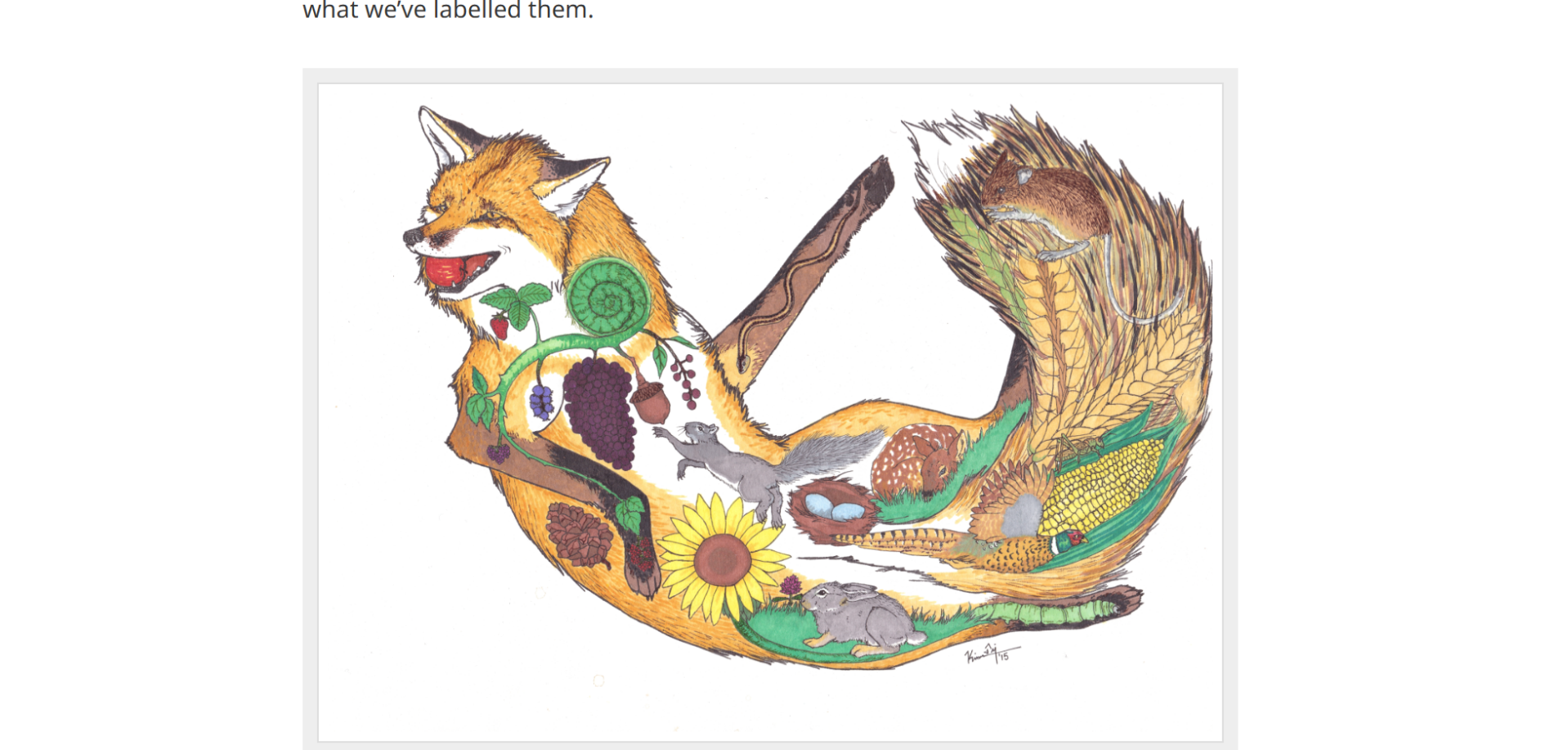
A Little Bit of Everything: The Fox's Diet
It's well known that foxes eat small mammals such as voles, mice, squirrels, hares, and rabbits, but they also eat plants, bird eggs, and carrion (Can Geo Staff, 2022). In fact, red foxes, like most foxes, are opportunistic omnivores. This means their diet depends on the resources available to them, rather than sticking to a strict diet (Fox, 2007).
Image I: Marker drawing by Kim Tri
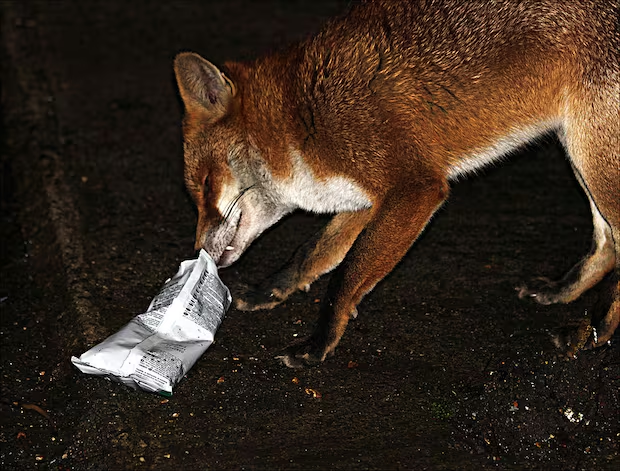
Feast or Famine: A Fox's Seasonal Menu
As opportunistic omnivores, red foxes eat whatever's available to them each season. For example, in colder seasons like fall and winter, when resources are scarce, they have been known to eat human-based foods, also known as anthropogenic foods. Anthropogenic food is nourishment produced or influenced by humans, such as cultivated crops, pet food, and food scraps (Masters and Maher, 2022).
In spring and summer, red foxes tend to eat their usual foods because they are more readily available. This includes rodents, rabbits, insects, fruit, and carrion (Fox, 2007).
Image II: LIFE On The PLANET LADAKH
What's Missing from the Menu?
For every diet, it is important to be balanced and meet the requirements; however, when living in the wild, some nutrients are in short supply. These are known as limiting nutrients.
For red foxes, limiting nutrients generally result from an imbalance of macronutrients, mainly protein (Lang et al., 2021). For macronutrients, the target ratio is approximately 52% protein, 39% lipid, and 9% carbohydrate; changes in this ratio can reduce reproductive fitness, leading to population declines (Balestrieri et al., 2024). For example, urban or agricultural foxes rely heavily on carbohydrate-rich anthropogenic foods, which can reduce population density due to fitness and reproductive costs (Lang et al., 2021).
Micronutrients such as calcium, phosphorus, and taurine can be limited (Liu et al., 1937; Baldwin, 2025). These nutrients are generally available when eating a whole animal, but pups that eat mostly boneless meat scraps or human leftovers often suffer from severe calcium and phosphorus imbalances (Liu et al., 1937). Taurine is found in raw animal tissue and organs, so taurine deficiency can result from a lack of meat and can lead to blindness, seizures, and heart issues (Baldwin, 2025).
Image III: Darren Colello/TNC Photo Contest 2019


Bites to Avoid: The Not-So-Tasty Side of Nature
In contrast to limiting nutrients, some dietary elements can cause harm: anti-nutrients and toxins. Anti-nutrients are elements found in food that can inhibit the absorption or synthesis of essential nutrients, whereas toxins are elements that can directly harm the animal.
For red foxes, anti-nutrients include thiaminase, tannins, phytates (phytic acid), lectins, and oxalates (Okada et al., 1987; Baldwin, 2025; Thompson, 2025). Thiaminase is an enzyme that breaks down thiamine (vitamin B1), making it unavailable to the body (Okada et al., 1987). It is found in raw fish such as carp, smelt, herring, minnows and suckers, as well as in aquatic invertebrates (Okada et al., 1987). A high intake of these fish leads to Chastek paralysis, a thiamine deficiency neurological condition which leads to weakness, loss of coordination, seizures, and even death (Okada et al., 1987). Tannins can bind to proteins and iron, reducing nutrient digestibility and absorption (Baldwin, 2025). They are generally found in fruits, berries and nuts (Baldwin, 2025). In comparison, phytates, lectins, and oxalates can bind to minerals such as calcium, iron, zinc, and magnesium, but not to proteins (Thompson, 2025). These can be found in seeds, nuts, legumes, and leafy greens, and they must be consumed in large amounts to have an effect (Thompson, 2025).
For toxins, red foxes come in contact with anticoagulant rodenticides, heavy metals, microbial toxins in carrion and human food waste (Rocchi et al., 2025; Kalisinska et al., 2012; Lindström et al., 2004; The Ohio State University Veterinary Medical Center, n.d.). Foxes don't consume rodent poison directly, but may eat poisoned rodents, which can lead to internal bleeding, secondary illness or death due to persistence in tissues (Rocchi et al., 2025). Next, certain prey and carrion pass heavy metals, like lead, mercury, tin, cadmium and chromium, into the fox's system and can lead to varying levels across organs (Kalisinska et al., 2012). Heavy metal contamination can lead to neurological impairment, organ damage, weakened body condition and reproductive failure (Kalisinska et al., 2012). Research has shown that red fox contamination occurs even outside heavily industrialized areas (Kalisinska et al., 2012). Like heavy metals, microbial toxins can be found in carrion (Lindström et al., 2004). In decaying meat, bacteria can produce botulinum neurotoxins that can cause paralysis and death (Lindström et al., 2004). Luckily, red foxes tend to be more resistant than most other carnivores and need a larger dose or severe exposure to be affected (Lindström et al., 2004). Finally, like canids, foxes can have adverse reactions to human foods, including chocolate, xylitol, garlic, onion, chives, grapes, macadamia nuts, avocado skin, leaves and pits, mushrooms and more (The Ohio State University Veterinary Medical Center, n.d.). The effects of these nutrients can vary from vomiting to kidney failure to death (The Ohio State University Veterinary Medical Center, n.d.).
Image IV: Nazmul31 - Reddit
Image V: S. Kramer-Schadt, IZW
Image VI: Pinteresting Life - Pintrest
From Snout to Tail: The Red Fox Digestive Trail
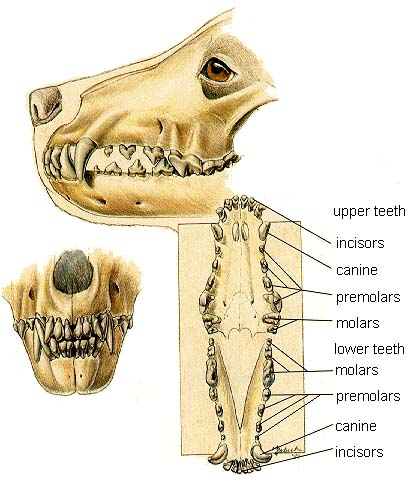
The red fox is a member of the Canidae family and has a digestive system very similar to a dog's; therefore, because specific research on the red fox digestive system is limited, we will review the digestive system of dogs.
The digestive system includes the mouth, teeth, tongue, pharynx, esophagus, stomach, small intestine, cecum, large intestine, and accessory organs such as the salivary glands, pancreas, liver, and gallbladder (He et al., 2024). The red fox has a relatively short digestive tract, quick food passage through the gastrointestinal tract (GIT), and shorter food retention time in the GIT compared to other monogastric mammals (He et al., 2024).
The digestive system begins in the mouth with chewing/mastication in an up-and-down motion to crush solid food as a form of mechanical digestion (He et al., 2024). In addition, the fox has four major salivary glands that secrete saliva to lubricate the passage, moisten and protect the oral mucous membrane, maintain tooth integrity, aid in nutrient digestion, and facilitate heat dissipation through the tongue (He et al., 2024). These four glands are found around the jaw, under the tongue, and near the throat, and are known as the parotid, mandibular, sublingual, and zygomatic glands (He et al., 2024). Saliva contains lingual lipase, protease, and lysozyme, which aid in the hydrolysis of triacylglycerols (TAGs), hydrolysis of proteins, and killing bacteria, respectively (He et al., 2024). The tongue has taste buds that help dogs select foods based on flavour and texture; the expressed receptors can distinguish sour, umami, bitter, salty, and sweet flavours (He et al., 2024). The tongue then passes the bolus to the pharynx.
The pharynx passes the bolus to the esophagus, which delivers the bolus to the stomach.
The stomach has a simple, one-compartment structure divided into proximal and distal regions which include the fundus, body and pyloric antrum (He et al., 2024). The proximal region expands during food storage to accommodate a large meal; it also allows partially digested food to remain for a prolonged period (He et al., 2024). The distal region churns food, mixes it with digestive juices into chyme and pushes it towards the duodenum (He et al., 2024). Gastric juices contain bacteria, gastric lipase, pepsin, hydrochloric acid (HCl), and mucus that lubricates and protects the stomach wall (He et al., 2024). The bacteria are believed to help digest dietary fibre; lipase partly hydrolyzes TAGs into fatty acids and glycerol, while pepsin begins protein digestion into polypeptides and HCl activates pepsinogen into pepsin (He et al., 2024). Gastric lipase has low activity toward long-chain TAGs but is effective against medium-chain TAGs (He et al., 2024). In addition, gastric mucosal cells in the stomach release gastric vitamin B12-binding intrinsic factor (IF) and haptocorrin to aid vitamin B12 digestion and absorption; however, it is less active than its pancreatic counterpart (He et al., 2024). The stomach empties into the small intestine through the pylorus sphincter (Washington State University College of Veterinary Medicine, 2022). The stomach represents 60-70% of the digestive system's total capacity (He et al., 2024).
Image VII: Washington State University College of Veterinary Medicine, 2022
Image VIII: Washington State University College of Veterinary Medicine, 2022
Image IX: Washington State University College of Veterinary Medicine, 2022



Following the stomach is the small intestine (SI), which has three parts: duodenum, jejunum and ileum. Once chyme moves into the SI, pancreatic juice is secreted into the duodenum, which begins nutrient digestion (He et al., 2024). Pancreatic alpha-amylase in the duodenum digests starch and glycogen; it can digest a small amount of glycogen in meat but cannot digest large amounts of starch (He et al., 2024). Free glucose is then absorbed by enterocytes in the jejunum and either used, stored or released into the bloodstream (He et al., 2024). For TAGs, bile salts produced by the liver, stored in the gallbladder, and secreted into the duodenum are required for digestion (He et al., 2024). Bile salts mix with TAGs and phospholipids to form micelles that facilitate the action of pancreatic lipase (He et al., 2024). The long- and medium-chain TAGs enter intestinal lymph vessels and the bloodstream, respectively (He et al., 2024). Once in the jejunum, protein-derived small peptides (di- and tri-peptides) and free amino acids are absorbed into enterocytes via transporters and are then used locally or transported into the bloodstream (He et al., 2024). The ileum is also the site of vitamin B12 absorption, which IF aids, and bile acid reabsorption through enterohepatic circulation (He et al., 2024). In addition to cells and juices, bacteria are found within the SI; their numbers increase along the length of the GIT (namely ileum > jejunum > duodenum) (He et al., 2024). The SI's major function is to digest and absorb dietary nutrients (He et al., 2024). Its secondary functions include regulating the entry of dietary nutrients into the blood circulation, separating the external from the internal milieu, and performing immune surveillance (He et al., 2024).
Next is the cecum, located at the junction between the small and large intestines; it is the site of microbial fermentation but is small and mostly unused by the red fox (Ahlstrøm and Skrede, 1998).
The large intestine (LI), also known as the colon, follows the cecum; it is unsacculated and has many functions (He et al., 2024). These functions include fermenting food to produce various metabolites, synthesizing and absorbing certain vitamins, absorbing water, electrolytes, and short-chain fatty acids (SCFAs), regulating intestinal immune cells, producing lactic acid to create an environment hostile to pathogens, and forming and storing feces for excretion (He et al., 2024). The LI contains more bacteria than the SI, allowing fermentation to produce metabolites, SCFAs, and lactic acid (He et al., 2024).
Finally, the rectum excretes feces. Feces consist of unabsorbed nutrients, sloughed cells, digestive secretions, microbial metabolites, and microbes (He et al., 2024).
Image X: Stevens and Hume, 1998
Create Your Own Website With Webador